

 English
 عربى

Excellent Technical Team
We boast 15 years of labor protection manufacturing experience, with 400 workers and annual exports over $5 million, capable of stable mass order delivery.


Content
Hands absorb more occupational injuries than almost any other part of the body, and cuts are among the most common. In workshops, warehouses, glass plants and metal fabrication shops, a sharp edge can turn a routine task into a serious incident in a split second. The right pair of cut resistant gloves is the simplest and most effective line of defense — but choosing them involves more than picking the highest-rated pair on the shelf.
This guide walks through the factors that actually matter when selecting cut resistant gloves, from understanding cut resistance standards to balancing protection with dexterity, so you can choose a glove that workers will actually want to wear.
Before comparing gloves, you need a common reference point. Cut resistance ratings come from standardized laboratory tests, and two standards dominate the market today.
These tests measure the force required for a blade to cut through the glove material. A higher rating indicates better cut protection, but it almost always comes with trade-offs in glove thickness, weight and finger dexterity. Understanding where your tasks fall on this scale helps you avoid both under-protection and over-protection.
| Protection Level | ANSI/ISEA 105 | EN 388 | Typical Applications |
|---|---|---|---|
| Light | A1-A2 | Level 1-2 | General handling, packaging, light assembly |
| Medium | A3-A4 | Level 3 | Glass handling, sheet metal, panel work |
| High | A5-A7 | Level 4-5 | Metal fabrication, stamping, sharp edges |
| Ultra-high | A8-A9 | Level 5+ | Extreme hazards, knife blades, glass manufacturing |
Keep in mind that these ratings measure a single aspect of performance. Real-world cut hazards vary widely, and a glove that performs well against a straight blade may behave differently when exposed to a sharp metal burr or a jagged glass edge.
The material construction of a cut resistant glove determines its cut performance, comfort and durability. Here is what you will find on the market:
For many industrial applications, an HPPE glove with a textured coating offers the best balance of cut protection, dexterity and value. But when the task involves abrasive materials, rough surfaces or frequent contact with sharp metal edges, a leather glove often outlasts thin coated liners and provides a more secure grip over a full work shift.
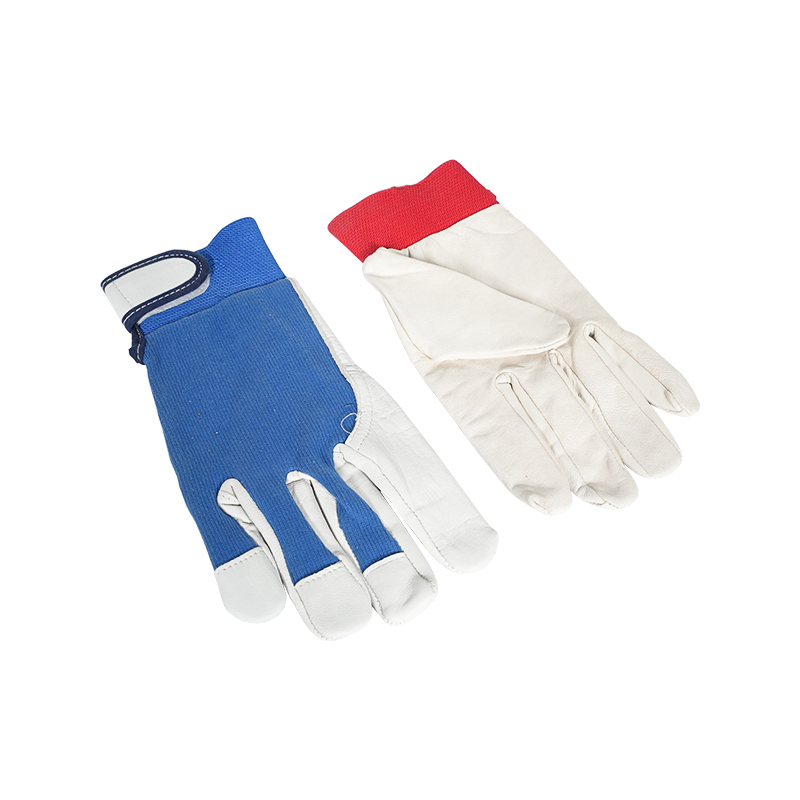 Durable Leather Work Gloves for Heavy Industrial TasksThis category covers leather glove variants built for abrasive conditions and sharp metal contact, offering abrasion and puncture resistance with a secure grip for demanding shifts.View Product →
The coating on a cut resistant glove is just as important as the liner. It controls how the glove performs in wet, oily or slippery conditions, and it directly influences grip and durability.
If the work environment involves oils, chemicals or moisture, a bare knitted liner is simply not enough. A glove with a properly selected coating keeps the hand dry and the workpiece secure, reducing both cut risks and the likelihood of dropped items.
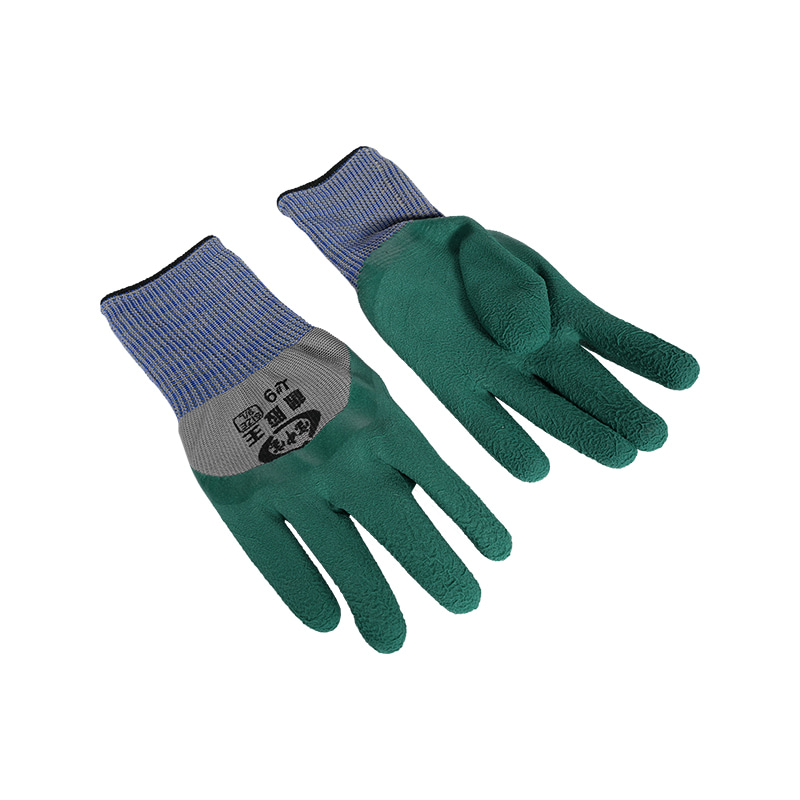 Nitrile Protective Gloves with Chemical and Puncture ResistanceThese latex-free nitrile gloves provide oil, chemical, and puncture protection in varied thicknesses, making them a reliable choice where coatings are essential for safety.View Product →
Once you understand the ratings and materials, the next step is to look closely at the actual tasks your workers perform. Two gloves with similar cut ratings can perform very differently across applications, so it is important to weigh the whole picture.
| Task | Recommended Level | Key Consideration |
|---|---|---|
| Light assembly, packaging | A1-A2 | Prioritize dexterity and breathability |
| Glass handling, cutting | A3-A5 | Snug fit with coated palm for grip |
| Metal fabrication | A5-A7 | Reinforced liner and abrasion resistance |
| Food processing | A3-A5 | Food-safe materials; withstands frequent washing |
| Construction and demolition | A4-A6 | Durability over fine dexterity |
| Knife-edged tool use | A6-A9 | High cut protection; verify fit around fingers |
Cut resistance rarely appears in isolation. Heat, cold, chemicals, vibrations and wet conditions can all influence glove selection. A cut resistant glove that also handles these additional factors is more likely to stay on a worker's hand. That is why it is always worth reviewing the full work glove range rather than focusing on one specification alone.
Complete Range of Work Gloves for All Hazard TypesBrowse this full category to find gloves that handle heat, cold, chemicals, or impacts, ensuring you can pair cut resistance with the right environmental protection.View Product →
If you are building a broader PPE program, the selection logic for other body parts follows the same principle: assess the hazard, check the standard, then match the equipment to the environment. You can find more on this approach in our guide to selecting PPE for different high-risk industries.
A cut resistant glove is only effective when it is actually worn. Gloves that pinch, slip or overheat quickly end up in a pocket, leaving the worker unprotected precisely when the risk is highest.
Getting the fit right starts with measurement. Measure the circumference of the palm just below the fingers, then compare it with the manufacturer's sizing chart. Most cut resistant gloves are available in sizes 7 to 11, and it is worth ordering samples across a range of sizes so each worker can find their best match. A glove that is too tight restricts circulation and causes early fatigue; a glove that is too loose reduces tactile sensitivity and can get caught in rotating equipment.
In our experience, these are the mistakes that come up again and again when teams select cut resistant gloves:
Cut resistant gloves are personal protective equipment, and they must be maintained properly to keep protecting. Wash them according to the manufacturer's instructions, and avoid exposing certain materials, such as aramid, to prolonged UV light, which can weaken the fibers over time.
It is also worth remembering that washing can, over time, reduce the performance of some glove materials. Keeping records of when gloves were issued and replacing them on a schedule helps you maintain consistent protection across your team.
Choosing cut resistant gloves does not have to be complicated. Start by identifying the cut level your tasks require, then weigh material, coating, fit and care. The glove that works best is the one that provides enough protection while staying comfortable enough to be worn all day, every day.
If you are setting up a hand protection program or want to compare options for a specific job, our team is happy to help. We manufacture and supply a wide range of protective gloves and understand the practical realities of industrial work. Get in touch with us, and we will help you find the right glove for your hazards — not just the one with the highest number.
How do we select PPE gloves? The answer is not a one-size-fits-all decision. Every workplace has different hazards, tasks, and levels of exposure. At...
READ MOREOn a construction site, a factory floor, or a warehouse dock, the hard hat is the first piece of personal protective equipment a worker reaches for e...
READ MOREAt our company, we have spent years manufacturing personal protective equipment for welders, and one question comes up again and again: how do you pr...
READ MOREYourYour email address will not be published. Required fields are marked *


We provide reliable and comfortable protective equipment, sold worldwide.
yuanang94@gmail.com
86-19710572790
Wuji County, Shijiazhuang City, Hebei Province, China
 Custom One-Stop PPE Safety Protection Manufacturers