

 English
 عربى
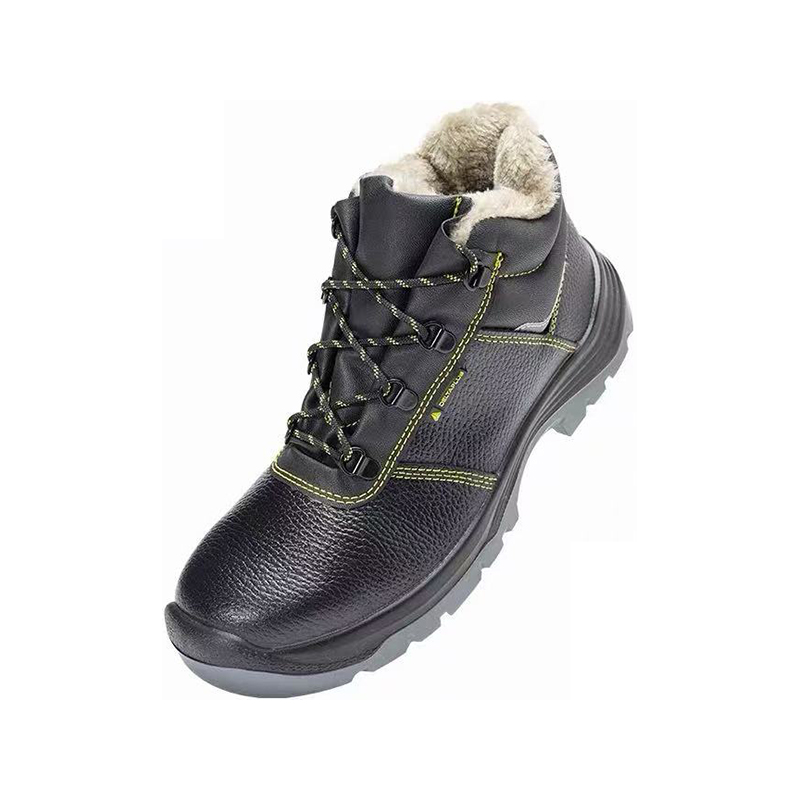
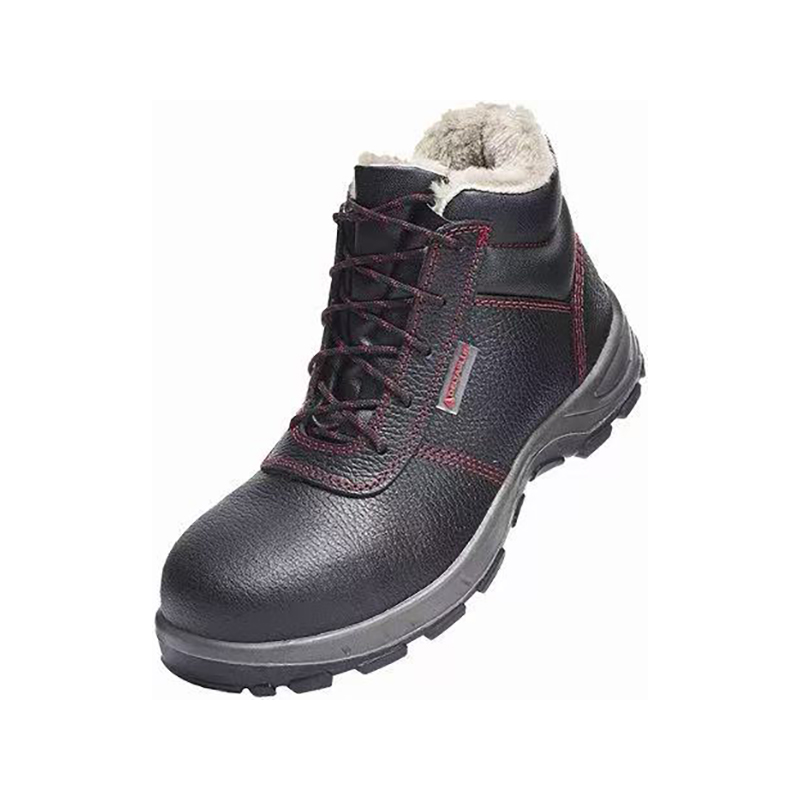
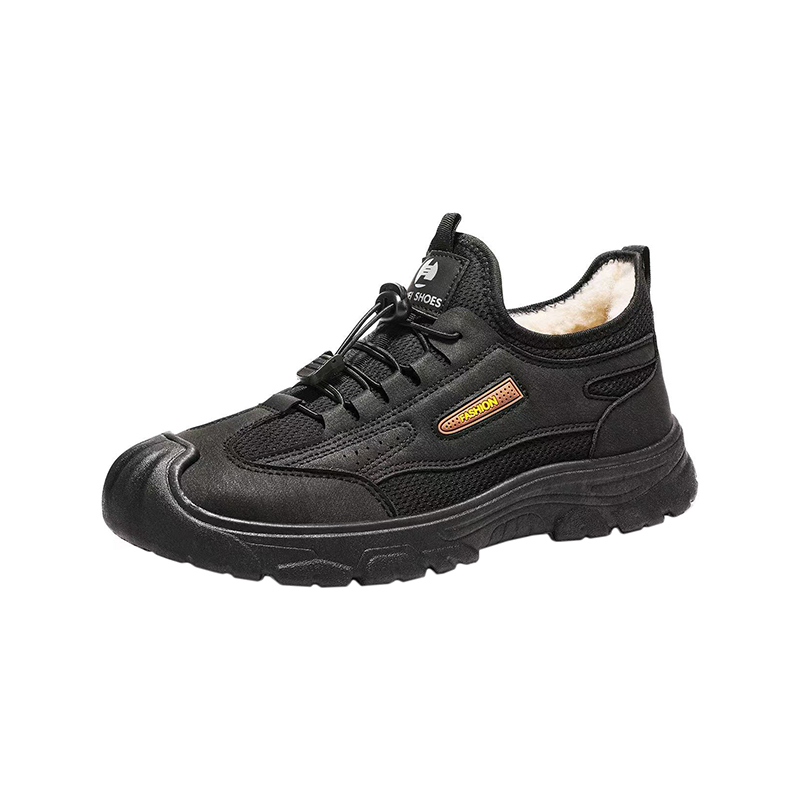
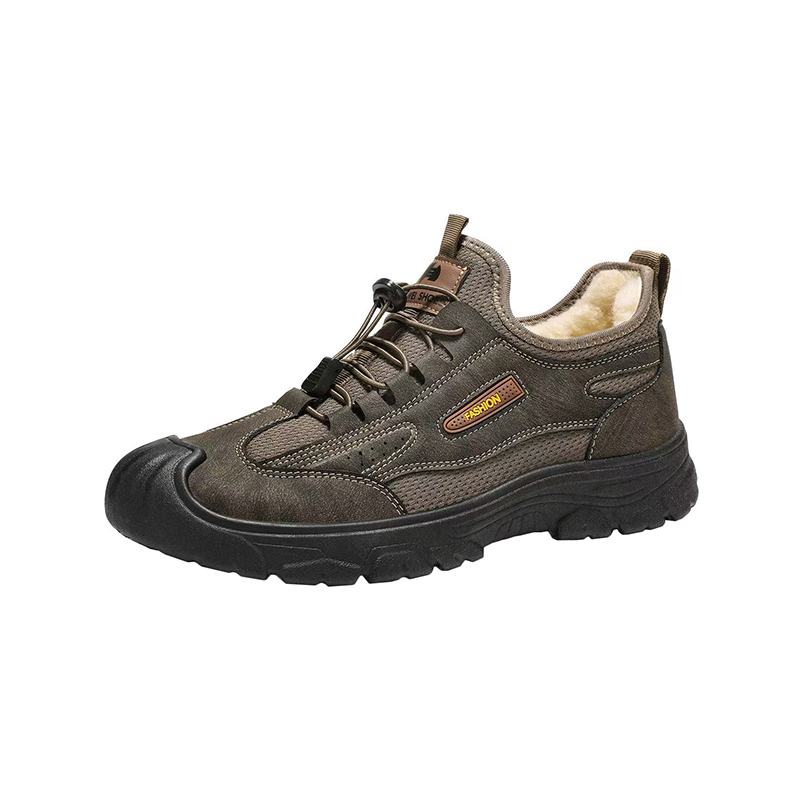
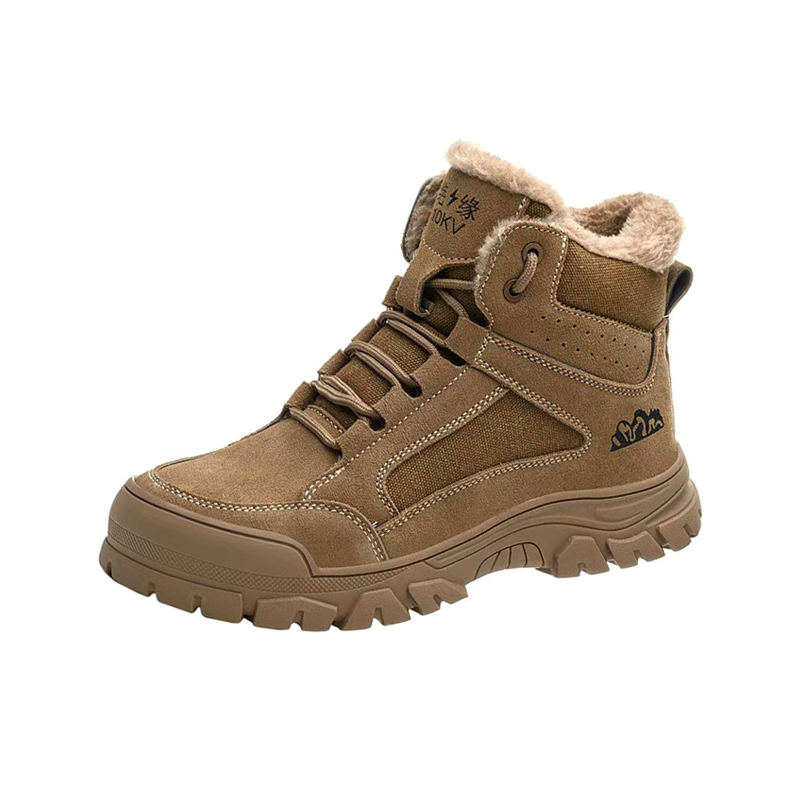
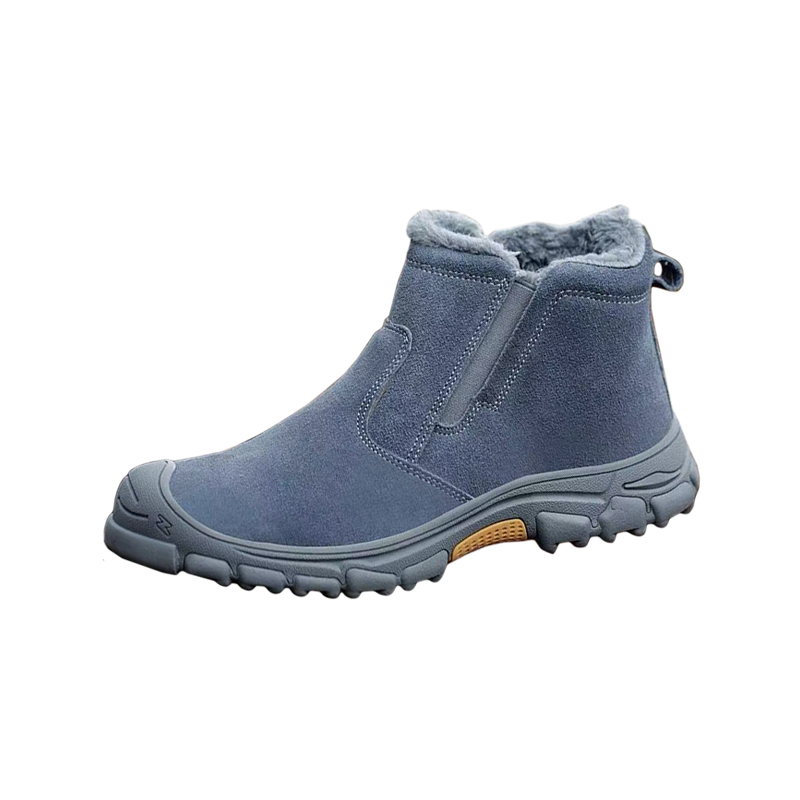
Shijiazhuang Yuanfan Labor Protection Supplies Co., Ltd. is China Cold-Resistant Safety Shoes Manufacturers and Custom Cold-Resistant Safety Shoes Suppliers, has a 15-year history of operation. Covering a land area of 10 mu, the company currently employs 400 staff members with an annual production capacity of 600,000 pieces and annual export volume exceeding 5 million US dollars. We are a professional manufacturer and exporter of labor protection products.
Guided by our mission of "Safeguard workers’ safety and empower high-quality industrial development", we uphold the core values of "Safety first, quality supremacy, integrity for win-win results, innovation for long-term progress". We are committed to supplying reliable and comfortable protective gear for clients worldwide.
Supported by large-scale production and rigorous quality control, our products sell well across overseas markets and have earned consistent trust from customers at home and abroad. Going forward, we will keep deepening our layout in the labor protection industry. Through technological innovation to upgrade protection performance, we help build safer working environments and strive to become a trusted supplier of all-in-one labor protection solutions.


Cold-Resistant Safety Shoes Manufacturers

Cold-Resistant Safety Shoes provide essential protection in sub-zero environments, including outdoor winter worksites and refrigerated storage facilities, helping to reduce the risk of frostbite and cold-related discomfort. These shoes feature multi-layered thermal insulation that retain body heat while allowing moisture vapor to escape, maintaining a balanced internal microclimate. The outsoles are engineered from flexible, cold-resistant compounds that preserve traction and prevent brittleness on icy or slippery surfaces. Combining durability, comfort, and thermal efficiency, Cold-Resistant Safety Shoes enable workers to perform tasks safely and effectively during extended exposure to low-temperature industrial conditions.
About Us

Supplier of integrated
labor protection solutions
News
-
When you work in welding, the shoes on your feet are not simply part of a uniform. They are one of the most important barriers between your body and hazards such as falling objects, hot sparks, molten metal, and sharp debris. A question we hear often is, how tall must a welder's safety shoes be? Th...
READ MORE -
Ask any electrician how long a pair of electrical safety gloves stays good for, and you will hear a range of answers: six months, a year, until they look worn. The truth is more structured. Electrical insulating gloves are good for six months once they are put into service, and up to twelve months ...
READ MORE -
Hands absorb more occupational injuries than almost any other part of the body, and cuts are among the most common. In workshops, warehouses, glass plants and metal fabrication shops, a sharp edge can turn a routine task into a serious incident in a split second. The right pair of cut resistant glo...
READ MORE
Cold-Resistant Safety Shoes Industry knowledge
Cold-Resistant Safety Shoes from a Specialized Manufacturer
Shijiazhuang Yuanfan Labor Protection Supplies Co., Ltd. is a direct Cold-Resistant Safety Shoes manufacturer with 15 years of production experience. We supply a dedicated range of thermal safety footwear designed for sub-zero environments, including outdoor winter worksites, refrigerated storage facilities, and cold-chain logistics. Our shoes combine multi-layered thermal insulation, cold-resistant outsole compounds, and standard toe protection to reduce the risk of frostbite and cold-related discomfort while maintaining traction on icy or slippery surfaces.
With an annual production capacity of 600,000 pieces and annual export volume exceeding 5 million USD, we deliver consistent quality for bulk orders. Our engineering team configures each model around the working temperature, floor conditions, and required safety rating.
Product Range and Application Fit
Our Cold-Resistant Safety Shoes are available in several configurations to match specific cold-environment tasks. The range covers low-cut shoe, mid-cut boot, and high-cut boot styles, each with a steel or composite toe cap. The table below summarises the main variants and their typical use cases.
| Model Type | Key Features | Primary Application |
|---|---|---|
| Low-cut cold-resistant shoe | Lightweight, flexible thermal lining, rubber outsole | Indoor cold storage, food processing, light logistics |
| Mid-cut cold-resistant boot | Ankle support, thicker insulation, slip-resistant tread | Outdoor winter construction, municipal work, cold-chain warehousing |
| High-cut cold-resistant boot | Extended calf coverage, waterproof upper, deep tread | Arctic operations, oilfield winter work, heavy snow environments |
Thermal Insulation and Moisture Management
Each shoe incorporates a multi-layer insulation system that retains body heat while allowing moisture vapour to escape. The inner lining is a brushed polyester or wool-blend fabric, followed by a closed-cell foam layer that blocks conductive cold. The outsole is moulded from a cold-resistant rubber or polyurethane compound that remains flexible at low temperatures and resists brittleness.
We test the thermal retention of each batch under controlled conditions. The insulation performance is matched to the customer's declared working temperature range, typically from -10°C to -30°C ambient.
Toe Protection and Impact Resistance
All models in our cold-resistant line are fitted with a steel or composite toe cap that meets impact and compression requirements. The toe cap is integrated without creating a cold bridge, so the insulation layer remains continuous around the foot. The shoe also includes a flexible steel or composite midsole for puncture resistance, which is standard on most configurations.
Outsole Traction and Cold-Weather Performance
The outsole pattern is designed for ice, snow, and wet surfaces. We use a multi-directional tread with deep lugs and self-cleaning grooves. The rubber compound is formulated to stay pliable at low temperatures, maintaining grip when standard soles become hard and slippery. For environments with standing water or slush, we offer a waterproof upper option with sealed seams.
Configuration and Customisation Options
We configure each order based on the specific cold environment and user requirements. Options include:
- Toe cap material: steel (maximum impact) or composite (non-metallic, lighter)
- Midsole: steel or composite puncture-resistant plate
- Upper material: full-grain leather, split leather, or synthetic with waterproof membrane
- Closure: lace-up, side-zip, or pull-on
- Insulation level: standard (down to -15°C) or heavy (down to -30°C)
- Outsole: rubber, PU, or dual-density
- Custom branding: logo embossing, reflective trim, or colour accents
Quality Assurance and Testing
We implement full-process quality control from raw material inspection to finished product testing. Each production batch is sampled for thermal insulation performance, outsole flexibility at low temperature, toe cap impact resistance, and slip resistance. Our factory is equipped with standardised workshops and testing devices. We maintain compliance with relevant safety standards for the target market.
Packaging and Delivery Scope
Each pair is packed in individual boxes with polybags. Bulk orders can be packed in export cartons with custom labelling. We coordinate logistics from our factory in Wuji County, Shijiazhuang, Hebei Province, China. Delivery terms are agreed per order, and we support FOB, CIF, or EXW as required.
Information We Use to Configure Your Solution
To prepare a precise quotation and product configuration, we need the following project information:
- Working environment temperature range (minimum expected ambient temperature)
- Floor conditions (ice, snow, wet, oily, concrete)
- Required safety rating (toe impact, puncture resistance, electrostatic discharge)
- Preferred upper material and closure style
- Estimated quantity and target delivery timeline
- Any custom branding or colour requirements
- Target market for compliance reference (e.g., CE, GB)
Submit these details through our Cold-Resistant Safety Shoes page, and our team will respond within 12 working hours.
Frequently Asked Questions
Q: What temperature range do your cold-resistant safety shoes cover?
We offer standard insulation for environments down to -15°C and heavy insulation for down to -30°C. The actual performance depends on the user's activity level and exposure duration. We recommend specifying the minimum expected temperature when ordering.
Q: Can I get a sample before placing a bulk order?
Yes. We can provide a pre-production sample for approval. Sample lead time is typically 5-7 working days after design confirmation. The sample cost is deducted from the final order.
Q: Are the outsoles slip-resistant on ice?
Our cold-resistant outsole compound is formulated to remain flexible at low temperatures, and the tread pattern is designed for ice and snow. However, no outsole guarantees zero slip on all ice surfaces. For extreme ice conditions, we recommend adding optional ice cleats.
Q: Do you offer waterproof cold-resistant boots?
Yes. We can supply models with a waterproof membrane (e.g., PVC or TPU laminated upper) and sealed seams. This is recommended for wet cold environments such as fish processing or outdoor slush conditions.
Q: What is the typical lead time for a container order?
Lead time depends on quantity and customisation level. For a standard 20-foot container (approximately 1,000-1,500 pairs), production takes 20-30 working days after sample approval and deposit. We will confirm the exact schedule in the quotation.
Related Products and Categories
Our portfolio also includes Products for applications with different operating ranges, interfaces or integration requirements.
Get in Touch
YourYour email address will not be published. Required fields are marked *
Have a project in mind? Contact with us
-

Excellent Technical Team
We boast 15 years of labor protection manufacturing experience, with 400 workers and annual exports over $5 million, capable of stable mass order delivery. -

Quality & Innovation for Protective Solutions
We implement strict quality control and continuous technical innovation. Adhering to safety-oriented values, we supply reliable protective gear and offer integrated protective solutions for global buyers.
-
We provide reliable and comfortable protective equipment, sold worldwide.
-
Quick Links
Home About Us Products Application News Contact Us -
Contact
yuanang94@gmail.com
86-19710572790
Wuji County, Shijiazhuang City, Hebei Province, China
Copyright 2026 ©
Shijiazhuang Yuanfan Labor Protection Supplies Co., Ltd.
All Rights Reserved.
 Wholesale Cold-Resistant Safety Shoes Suppliers