

 English
  عربى
عربى 
Excellent Technical Team
We boast 15 years of labor protection manufacturing experience, with 400 workers and annual exports over $5 million, capable of stable mass order delivery.


Content
How do we select PPE gloves? The answer is not a one-size-fits-all decision. Every workplace has different hazards, tasks, and levels of exposure. At our factory, we have seen workers rely on a single type of glove for every job, and the results are often uncomfortable, short-lived, or unsafe. The right approach is to evaluate the task first and then choose a glove that matches the specific risks. This guide explains how we put that process into practice, from hazard identification to field testing and maintenance.
Before choosing any glove, walk through the workplace and study each task. Look at the materials being handled, the tools being used, and the environment around the worker. A glove that protects against solvents will not stop a sharp metal edge, and a cut-resistant glove will not keep chemicals away from the skin. The first question should always be: what are the hands actually exposed to?
For chemical exposure, do not rely on the glove name alone. Safety Data Sheets and compatibility charts are useful, but the final selection should also consider breakthrough time, permeation rate, and degradation. These values tell you how long the glove material can maintain its barrier against a specific chemical.
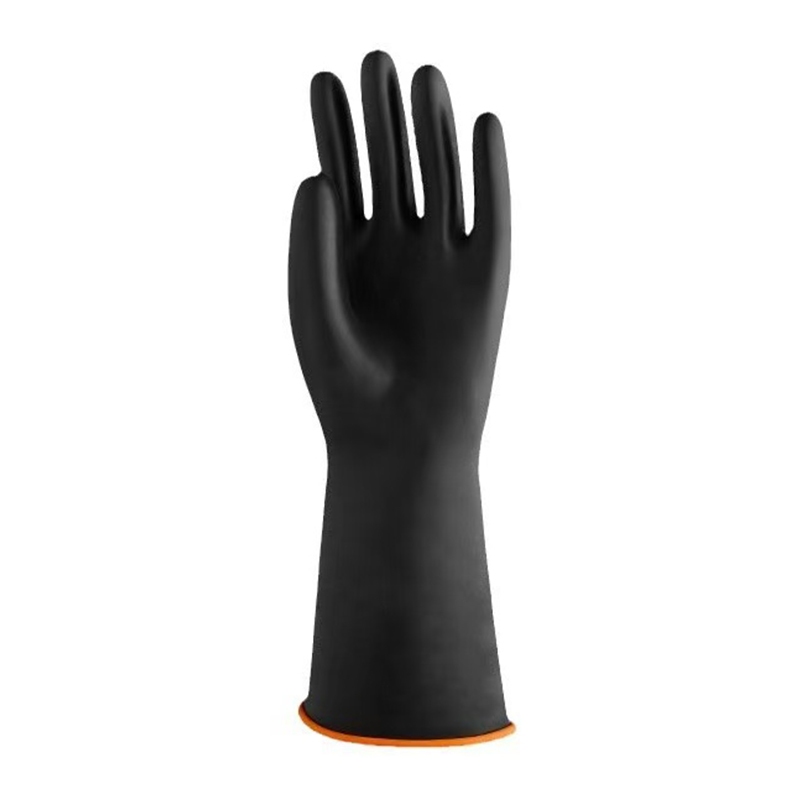 Chemical-Resistant Gloves for Hazardous Substance HandlingThese gloves are engineered for chemical environments, offering breakthrough-time data for informed selection. With materials like neoprene and butyl, they suit labs, chemical plants, and remediation tasks where barrier integrity is critical.View Product →
Once the hazards are clear, the next step is to match the glove material to the hazard. No single material works for every situation. Nitrile offers strong chemical and puncture resistance and performs well with oils. PVC is often used for acids and alkalis. Natural rubber latex provides elasticity and a good wet grip. Leather is valued for heat, sparks, and abrasion resistance. High-performance fabrics add cut resistance without making the glove too thick.
| Material | Key Strengths | Typical Applications | Main Limitations |
|---|---|---|---|
| Nitrile | Chemical and puncture resistance; good oil grip | Chemical handling, automotive, laboratory | Not compatible with every solvent |
| PVC | Abrasion and chemical resistance; economical | Industrial work, acid and alkali environments | Can become stiff in cold weather |
| Natural rubber latex | High elasticity and wet grip | Biological protection, general handling | Allergy risk; poor oil resistance |
| Leather | Durable; heat and spark resistance | Welding, construction, material handling | Not chemical resistant; absorbs moisture |
| Coated or high-performance fabric | Cut and puncture resistance with dexterity | Metal handling, glass, sheet metal | Not a substitute for chemical protection |
Chemical resistance is especially important. Even a small difference in glove chemistry can change how long a glove protects the wearer. When workers handle multiple chemicals, the selected glove must be tested against the full mixture or the most aggressive ingredient.
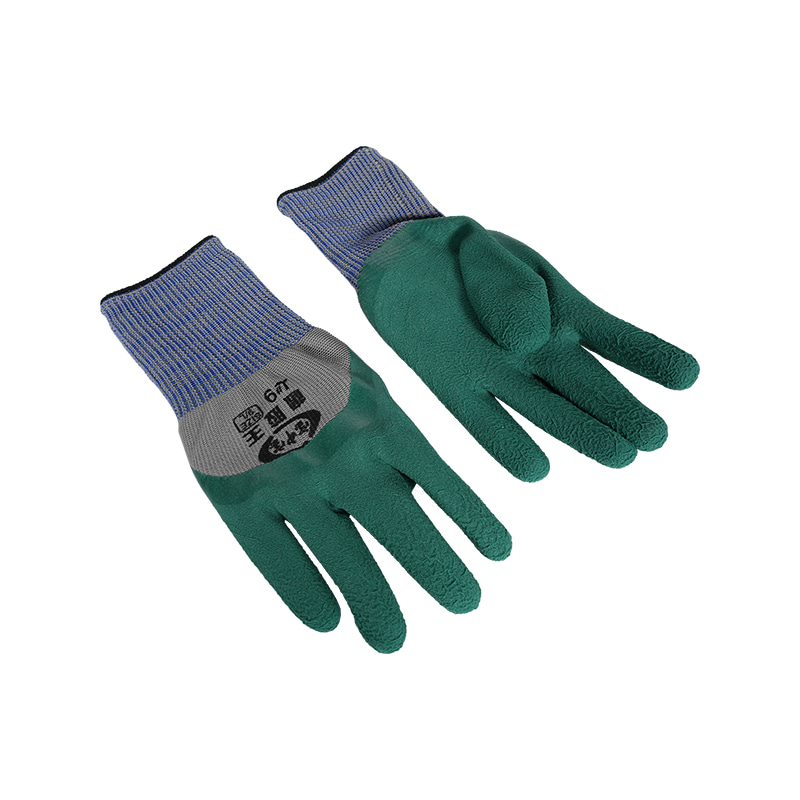 Nitrile Work Gloves for Puncture and Oil ResistanceMade from high-performance synthetic nitrile, these latex-free gloves resist punctures, oils, and chemicals while maintaining dexterity. Ideal for automotive, lab, and light assembly tasks, they provide reliable grip on wet surfaces.View Product →
After narrowing down the material, consider how the glove will be used. A chemistry lab demands precision, while a welding shop demands insulation and durability. The same material can behave differently when the glove is too thick, too thin, too loose, or too stiff.
For hot work such as welding, the glove should protect against heat, sparks, and mechanical wear without reducing the welder's control. A heavy leather welding glove can make the difference between a safe grip and a serious burn.
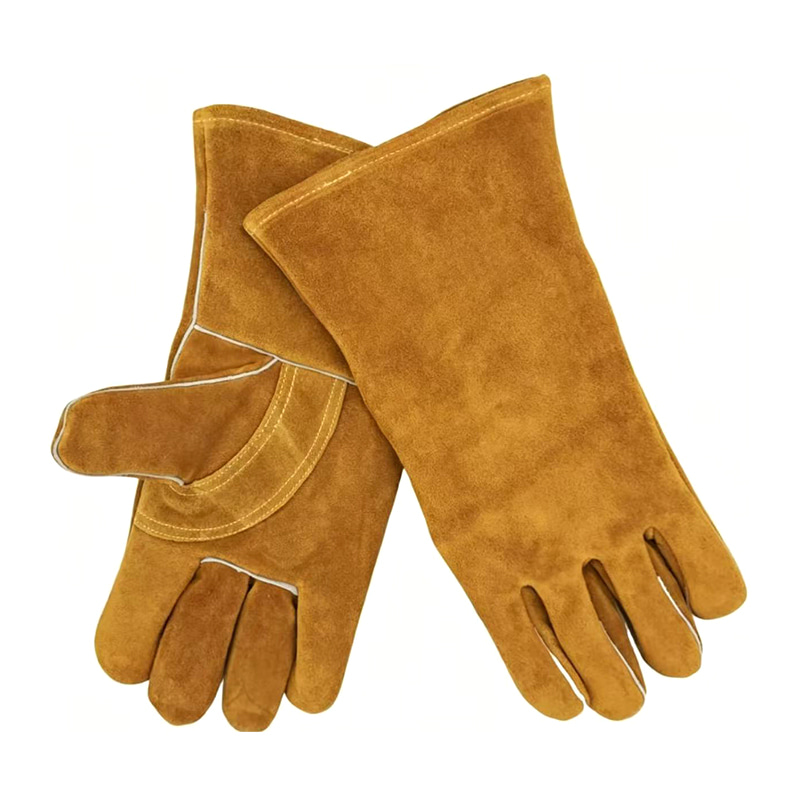 Welding Work Gloves for Heat and Spark ProtectionDesigned for hot work, these gloves shield against heat, sparks, and mechanical wear without compromising control. Reinforced leather and synthetic fibers offer durability and flexibility, supporting safe welding operations.View Product →
In cold storage or outdoor winter work, insulation and water resistance matter more than chemical protection. In clean rooms or electronics assembly, antistatic properties become critical. Every environment has a dominant hazard, and the glove should be chosen around that hazard first, with comfort as the second priority.
Standards help buyers compare gloves from different sources. For mechanical risks, EN 388 and ANSI/ISEA 105 are common references. For chemical risks, EN 374 and related test methods describe how a glove performs against specific chemicals. In China, national standards may differ from European CE requirements, so it is important to confirm which standard applies in your market. A reputable manufacturer should be able to provide documented test results and explain the certification mark on the product. You can read more about national standards and CE certification for PPE to understand the differences.
A glove can protect the hand only when it is intact and clean. Cracks, holes, swelling, and discolouration can signal chemical damage or mechanical wear. Train workers to inspect their gloves before every use and to report damage immediately. The replacement schedule depends on the task, the glove material, and the type of contamination. For disposable gloves, replace them at the end of each shift or whenever contamination occurs. For reusable gloves, follow the manufacturer's cleaning instructions and store them away from direct sunlight, heat, and ozone-generating equipment.
Selecting PPE gloves is a continuous process rather than a one-time purchase. As work methods change, new chemicals are introduced, and old gloves wear out, the selection should be reviewed. The best results come from a simple loop: identify hazards, choose a suitable glove, test it with real workers, collect feedback, and adjust. If you are building a hand protection program or replacing an existing line, talk to our team. We manufacture and supply work gloves for chemical, welding, antistatic, cold storage, and general industrial applications, and we can help you choose the right product for each job.
At our company, we have spent years manufacturing personal protective equipment for welders, and one question comes up again and again: how do you pr...
READ MOREPersonal protective equipment (PPE) acts as the key barrier against occupational injuries, yet hazards vary widely across industries, calling for cust...
READ MOREIf you have ever stood in front of a glove cabinet and wondered whether the pair on the shelf is still good, you are in good company. It is one of th...
READ MOREYourYour email address will not be published. Required fields are marked *


We provide reliable and comfortable protective equipment, sold worldwide.
yuanang94@gmail.com
86-19710572790
Wuji County, Shijiazhuang City, Hebei Province, China
 Custom One-Stop PPE Safety Protection Manufacturers