

 English
  عربى
عربى 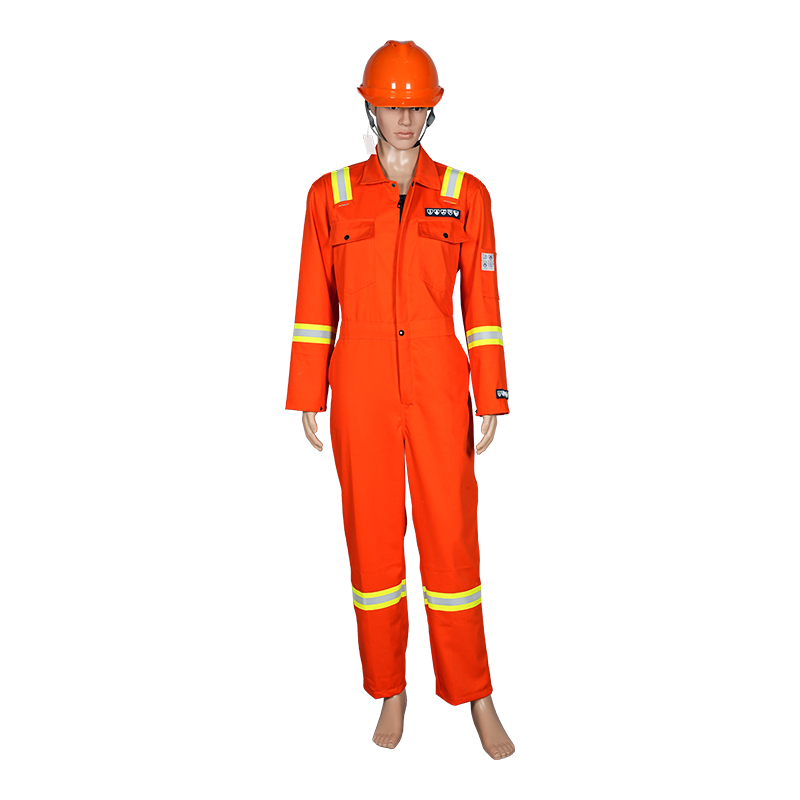
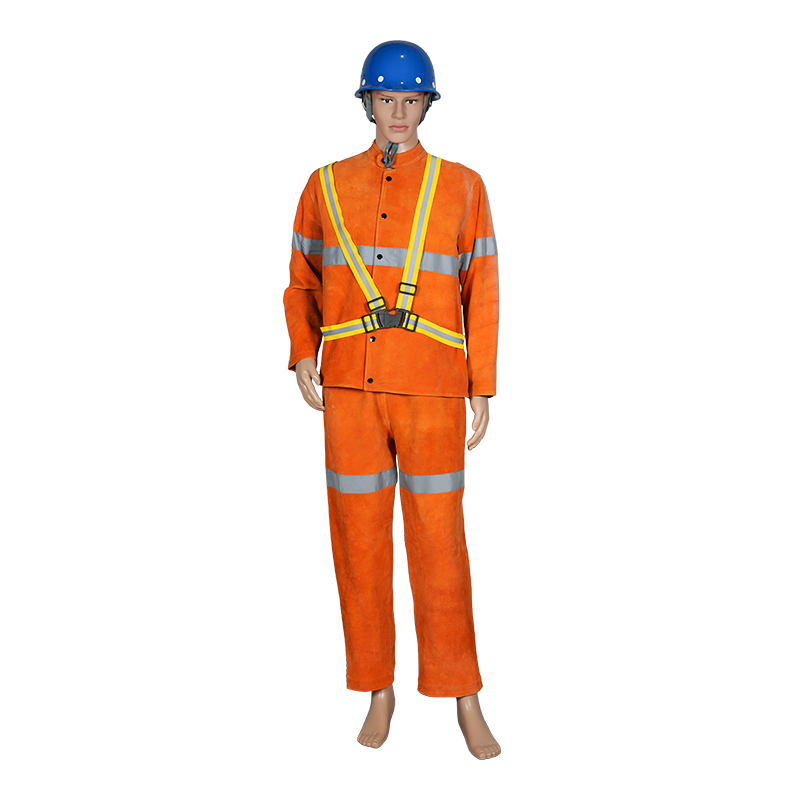
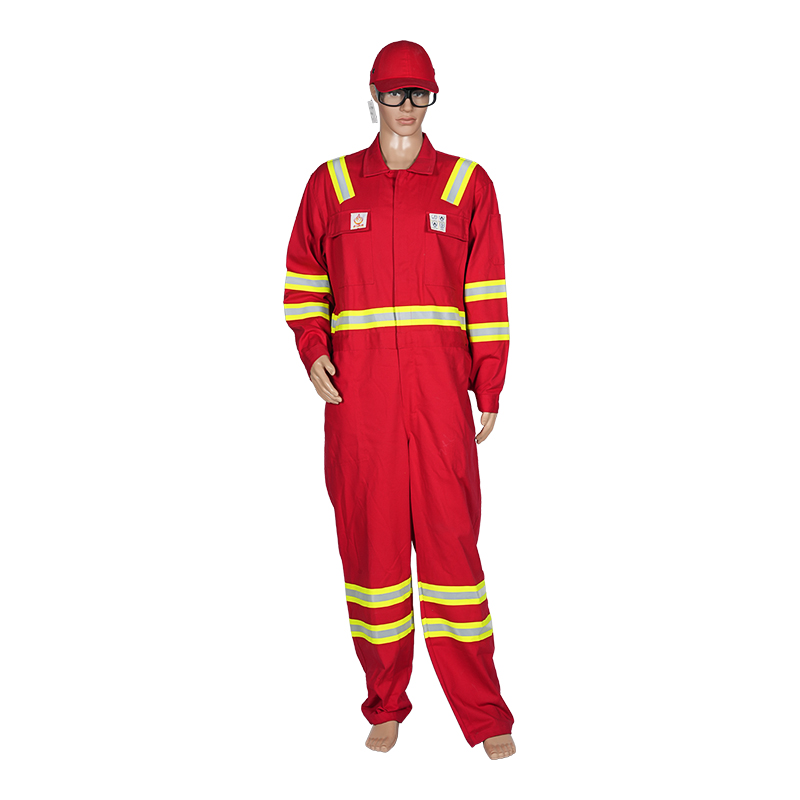
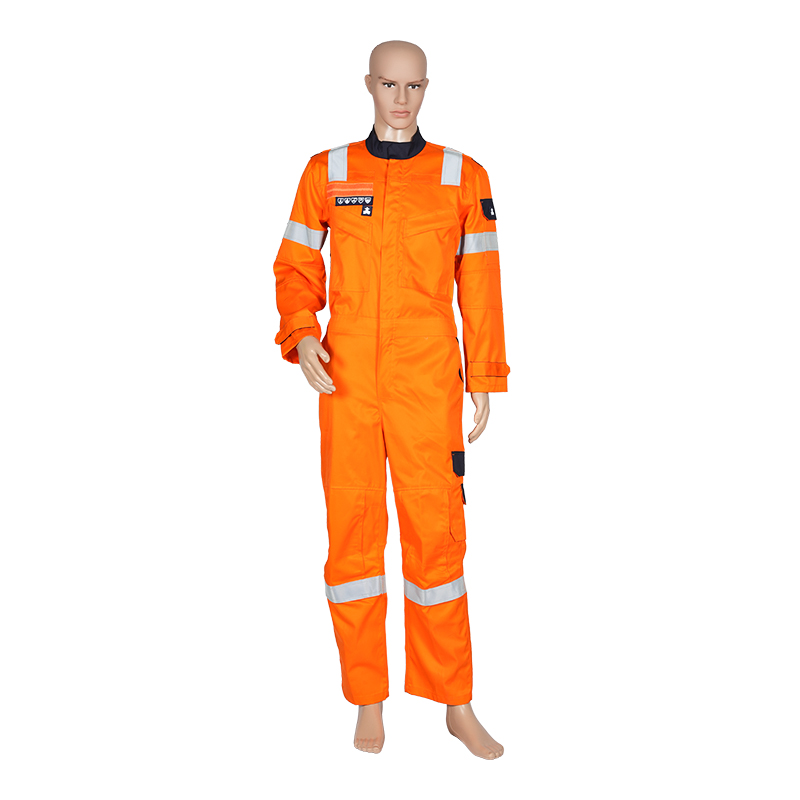
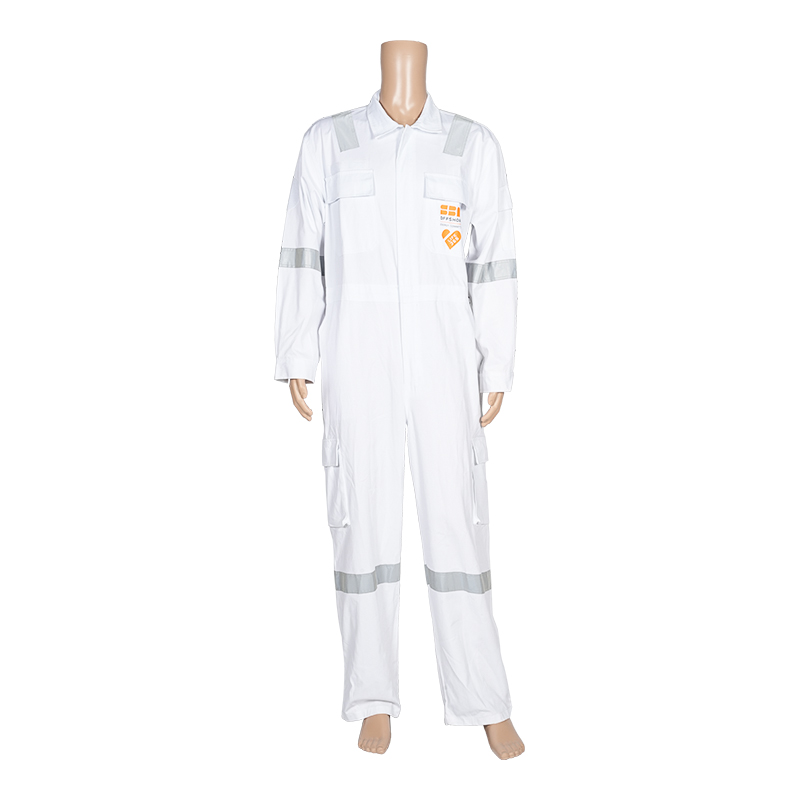
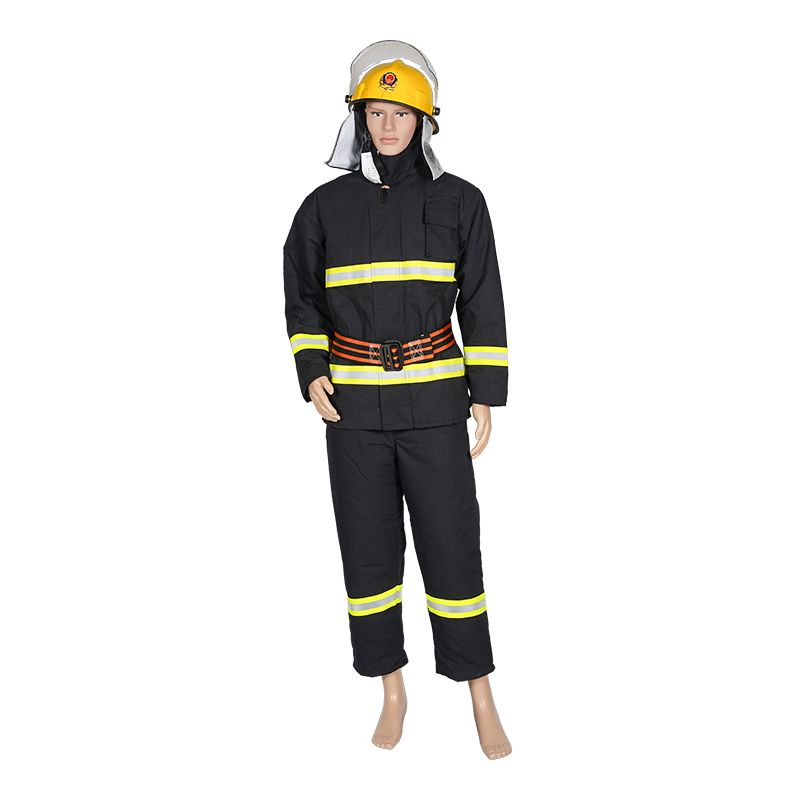
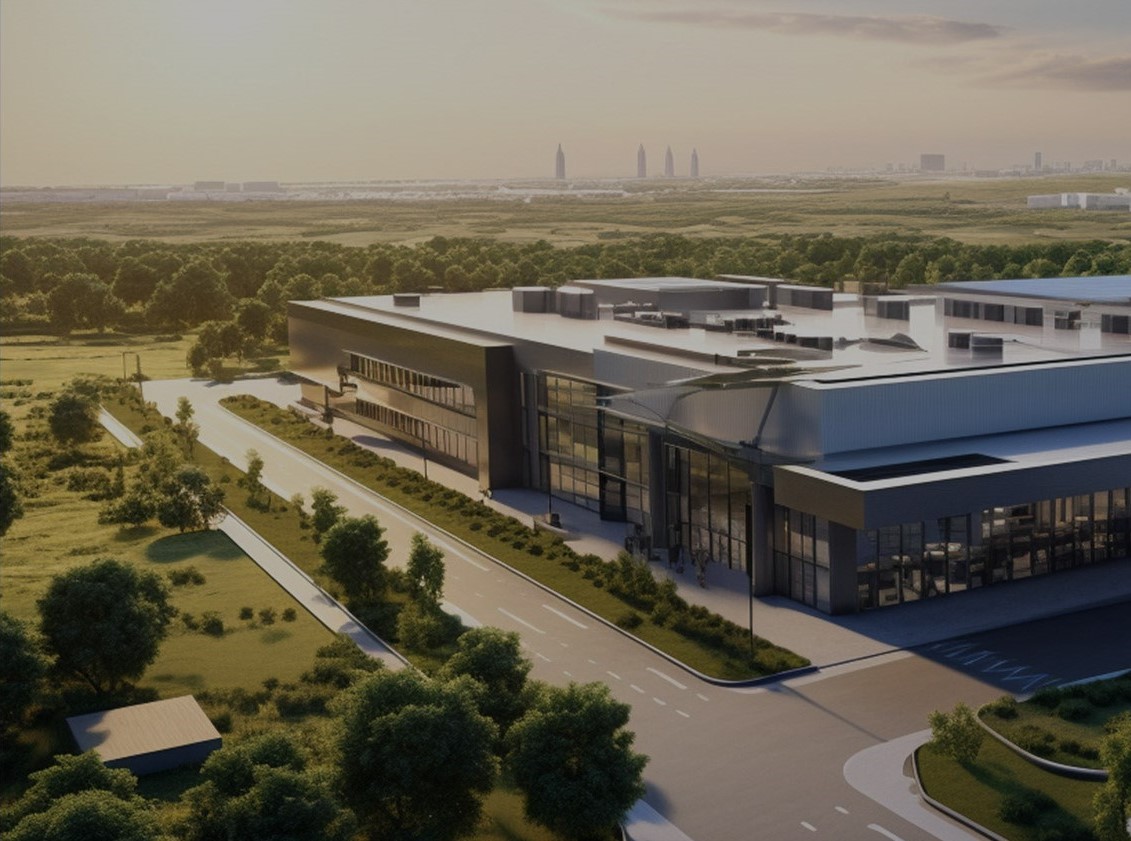
Shijiazhuang Yuanfan Labor Protection Supplies Co., Ltd. is China Flame-Retardant Welding Clothing Manufacturers and Flame-Retardant Welding Clothing Suppliers, has a 15-year history of operation. Covering a land area of 10 mu, the company currently employs 400 staff members with an annual production capacity of 600,000 pieces and annual export volume exceeding 5 million US dollars. We are a professional manufacturer and exporter of labor protection products.
Guided by our mission of "Safeguard workers’ safety and empower high-quality industrial development", we uphold the core values of "Safety first, quality supremacy, integrity for win-win results, innovation for long-term progress". We are committed to supplying reliable and comfortable protective gear for clients worldwide.
Supported by large-scale production and rigorous quality control, our products sell well across overseas markets and have earned consistent trust from customers at home and abroad. Going forward, we will keep deepening our layout in the labor protection industry. Through technological innovation to upgrade protection performance, we help build safer working environments and strive to become a trusted supplier of all-in-one labor protection solutions.


Flame-Resistant Coveralls Safety Clothing Suppliers

Flame-Retardant Welding Clothing is used in welding, metal fabrication, and foundry environments where exposure to sparks, slag, and incidental molten metal splashes may occur. These garments are produced from inherently flame-resistant fibers or treated with flame-retardant finishes to help reduce ignition risk and limit flame spread. In contact with heat or flame sources, the material is intended to self-extinguish once the ignition source is removed, supporting improved thermal protection for the wearer. Widely applied in high-temperature industrial processes, Flame-Retardant Welding Clothing combines durable construction with reinforced seams and ergonomic design to support mobility, comfort, and compliance with relevant occupational safety standards.
About Us
Supplier of integrated
labor protection solutions
News
-
If you have ever stood in front of a glove cabinet and wondered whether the pair on the shelf is still good, you are in good company. It is one of the questions we hear most often from maintenance supervisors, electrical contractors and safety officers, and it deserves a better answer than "it depe...
READ MORE -
At our company, we have spent years manufacturing personal protective equipment for welders, and one question comes up again and again: how do you protect yourself from electric shock when welding? Electric shock is one of the most serious hazards in any welding environment. Whether you run a small...
READ MORE -
On a construction site, a factory floor, or a warehouse dock, the hard hat is the first piece of personal protective equipment a worker reaches for each morning. But how does a hard hat protect you, really? The answer lies in a combination of a rigid outer shell and an internal suspension system th...
READ MORE
Flame-Retardant Welding Clothing Industry knowledge
Shijiazhuang Yuanfan Labor Protection Supplies Co., Ltd. is a direct Flame-Retardant Welding Clothing manufacturer with 15 years of production experience, 400 employees, and an annual capacity of 600,000 pieces. We supply welding garments for metal fabrication, shipbuilding, foundry, and industrial maintenance where exposure to sparks, slag, and molten metal splashes is routine. Our range covers jackets, trousers, coveralls, and bib overalls produced from inherently flame-resistant fibers or treated with durable flame-retardant finishes. Each garment is engineered to self-extinguish once the ignition source is removed, reducing flame spread and supporting thermal protection for the wearer.
Our Product Range
We offer several configurations within the Protective Workwear category. The table below summarises the available types and their typical applications.
| Garment Type | Typical Use | Key Features |
|---|---|---|
| Welding Jacket | TIG, MIG, stick welding in confined spaces | Front snap closure, stand-up collar, reinforced elbows |
| Welding Trousers | Heavy fabrication, shipyard, pipeline work | Full-length, no-cuff hem, reinforced knees |
| Coverall / Boilersuit | Foundry, furnace operation, general hot work | One-piece design, concealed zip, multiple pockets |
| Bib Overall | Welding in combination with a separate jacket | Adjustable suspenders, high back, tool pockets |
Materials & Fabric Technology
We use two primary approaches to achieve flame retardancy:
- Inherent FR fibers – Fabrics such as aramid or modacrylic blends that are flame-resistant by chemical composition. The protection will not wash out or degrade over the garment’s life.
- Flame-retardant finishes – Cotton or cotton-blend fabrics treated with a durable FR finish. Suitable for applications where the garment is replaced on a scheduled cycle.
All materials are selected to meet relevant occupational safety standards. We can provide documentation on flame spread, heat transfer, and tensile strength upon request.
Critical Specifications & Performance
Our welding clothing is designed around the following parameters:
- Flame spread – Material self-extinguishes within a defined time after removal of the ignition source.
- Heat resistance – Fabric does not melt, drip, or shrink excessively when exposed to radiant heat or molten metal.
- Seam strength – All seams are stitched with FR thread and reinforced at stress points (shoulders, crotch, armholes).
- Ergonomics – Articulated sleeves, gusseted underarms, and adjustable cuffs allow full range of motion during welding.
Configuration & Customisation
We support the following customisation options:
- Sizing – Standard sizes from S to 5XL; bespoke sizing for large workforces.
- Colour – Navy, khaki, grey, orange, and high-visibility options.
- Branding – Reflective tape, embroidered logos, screen-printed company names.
- Pocket layout – Additional tool pockets, radio loops, or pen slots per your job requirements.
Quality Assurance & Testing
We implement full-process quality control from incoming fabric inspection to final garment check. Key processes include:
- 100% visual inspection of seams, zippers, and fasteners.
- Random sampling for flame spread and tensile strength testing.
- Dimensional stability check after laundering.
Our factory is equipped with standardized workshops and professional testing devices. We maintain compliance with applicable GB and CE standards for flame-retardant clothing.
Information We Use to Configure Your Solution
To prepare a precise quotation and garment specification, we need the following project details:
- Application environment – Type of welding (TIG, MIG, stick, plasma), typical arc energy, presence of molten metal splash.
- Required standard – Target certification (GB 8965, EN ISO 11611, NFPA 2112, etc.).
- Garment type and quantity – Jacket, trousers, coverall, or bib overall; annual volume and delivery schedule.
- Fabric preference – Inherent FR vs. treated FR; fabric weight (e.g., 245 g/m², 340 g/m²).
- Customisation needs – Sizing range, colour, reflective tape, logo placement.
- Packaging – Individual poly bag, bulk carton, or private-label hang tag.
Frequently Asked Questions
What is the difference between inherent FR and treated FR fabric?
Inherent FR fibers (e.g., aramid) are flame-resistant by chemical composition and maintain protection for the garment’s life. Treated FR fabrics are cotton or blends with a chemical finish that can degrade after repeated laundering. We can supply either type depending on your replacement cycle and budget.
Do you provide samples before bulk production?
Yes. We can send pre-production samples for approval. Standard sample lead time is 7–10 working days after confirmation of specifications.
What certifications do your welding garments carry?
Our garments are designed to meet GB 8965.1 and EN ISO 11611 requirements. We can provide test reports and certificates upon request.
Can you add reflective tape to FR welding clothing?
Yes. We offer heat-sealed or sewn-on reflective tape that is compatible with FR fabrics. Please specify the required width and colour (silver, yellow, orange).
What is your typical lead time for a container order?
For a standard 20-foot container (approx. 8,000–12,000 pieces depending on style), lead time is 30–45 working days from sample approval and deposit. Custom fabrics or special finishes may require additional time.
Related Products and Categories
Our portfolio also includes Products, Two-Piece Protective Workwear for applications with different operating ranges, interfaces or integration requirements.
Get in Touch
YourYour email address will not be published. Required fields are marked *
Have a project in mind? Contact with us
-

Excellent Technical Team
We boast 15 years of labor protection manufacturing experience, with 400 workers and annual exports over $5 million, capable of stable mass order delivery. -

Quality & Innovation for Protective Solutions
We implement strict quality control and continuous technical innovation. Adhering to safety-oriented values, we supply reliable protective gear and offer integrated protective solutions for global buyers.
-
We provide reliable and comfortable protective equipment, sold worldwide.
-
Quick Links
Home About Us Products Application News Contact Us -
Contact
yuanang94@gmail.com
86-19710572790
Wuji County, Shijiazhuang City, Hebei Province, China
Copyright 2026 ©
Shijiazhuang Yuanfan Labor Protection Supplies Co., Ltd.
All Rights Reserved.
 Wholesale Flame-Resistant Coveralls Safety Clothing Manufacturers
Wholesale Flame-Resistant Coveralls Safety Clothing Manufacturers