

 English
  عربى
عربى 
Excellent Technical Team
We boast 15 years of labor protection manufacturing experience, with 400 workers and annual exports over $5 million, capable of stable mass order delivery.


Content
At our company, we have spent years manufacturing personal protective equipment for welders, and one question comes up again and again: how do you protect yourself from electric shock when welding? Electric shock is one of the most serious hazards in any welding environment. Whether you run a small repair shop or manage a large fabrication floor, the same rules apply. The good news is that almost every shock can be prevented with the right combination of equipment checks, work habits, and personal protective equipment. In this guide, we will break down the causes of welding-related shocks and give you practical steps to stay safe on every job.
To protect yourself, it helps to know where the danger comes from. A welding circuit has two sides. The primary side carries high voltage from the wall outlet or generator to the welding machine. The secondary side creates the lower voltage that flows through the electrode and the workpiece to maintain the arc. Under many conditions, even secondary voltage can push a dangerous current through your body, especially if your skin is damp or you are in direct contact with metal. Stick welding and MIG welding both present secondary voltage shock hazards because the electrode or wire is energized whenever the machine is on. The risk rises when you are changing electrodes, cleaning the weld, or moving around in a tight space.
| Source | Voltage | Typical Risk |
|---|---|---|
| Primary (input) | 120-600 V | Severe or fatal shock |
| Secondary (welding circuit) | 20-100 V | Can cause shock in wet or grounded conditions |
Although secondary voltage is lower, it is still dangerous. The current can travel through the electrode, into your hand, across your chest, and out through your feet. That path can disrupt the heart’s rhythm. Both AC and DC processes can produce shocks, though AC is generally more dangerous at the same voltage. Always treat the welding circuit as live, even when the machine seems to be running smoothly.
Before starting any weld, inspect your welding cables for cuts, cracked insulation, and loose connections. A damaged cable can bring voltage right to your hand. Replace or repair worn cables immediately, and keep all connection points clean and tight. Check the electrode holder and the work clamp as well; a cracked holder can expose live parts.
Water dramatically reduces your skin’s resistance, which means even modest voltage can become deadly. Weld in dry clothing, stand on a dry insulated surface, and never handle equipment with wet hands or gloves. If you are working outdoors, place a dry rubber mat or wooden board under your feet. When you are kneeling or leaning against metal, add an insulating mat or wear dry knee pads.
Proper grounding is another layer of protection. Attach the work clamp firmly to the base metal, and make sure the ground connection is rated for the current you are using. Do not rely on a rusty bolt or a questionable electrical path. Good grounding also gives you cleaner arc performance. If you are using a generator, verify that it is properly bonded and has a working ground fault protection system.
Never touch the electrode, holder, or bare cable with your skin while the machine is on. When changing electrodes or wire, turn the machine off. Use a dry, insulated electrode holder and keep the electrode pointed away from your body. Make it a habit to run this checklist before every shift. It takes less than two minutes and can save a life.
In addition to good habits, the right PPE is your final defense against electric shock. We design our welding protection to keep you dry and insulated from the circuit while also shielding you from heat, sparks, and UV radiation. Here is what our experience says matters most.
Your gloves are the first point of contact with the electrode holder. Use dry leather welding gloves with no holes or cracks. Many experienced welders also wear a thin rubber or nitrile glove underneath to add electrical insulation even if the outer leather becomes damp. Never use oily or wet gloves. Inspect the front and seams of each glove before every job; gloves with embedded metal or burn-through should be replaced immediately. Our welding work gloves are made from durable, heat-resistant leather and are built for a secure grip.
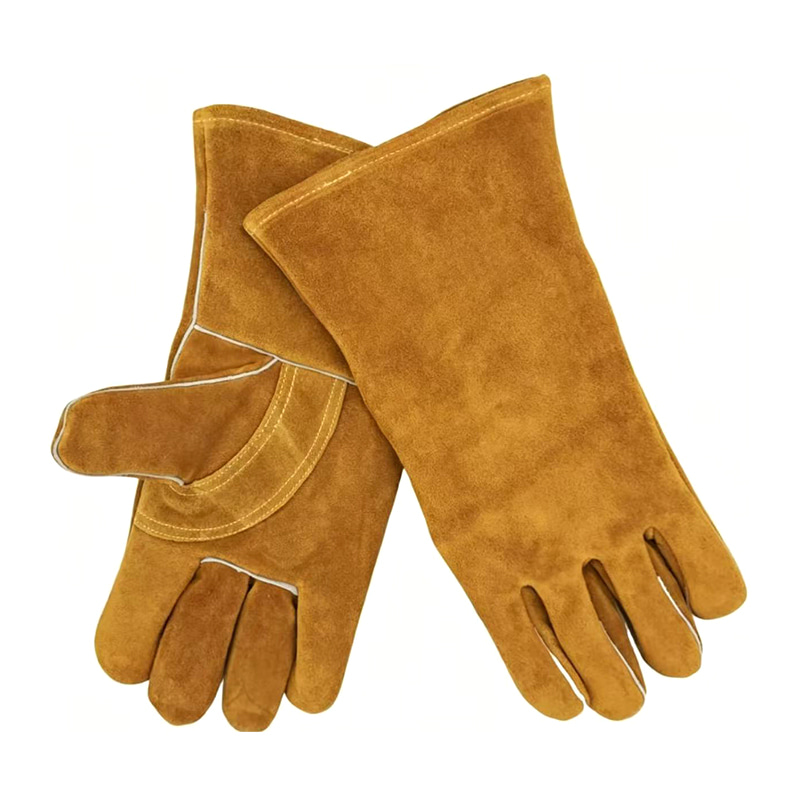 Durable Heat-Resistant Leather Welding Work GlovesThese gloves are positioned after the advice on protective gloves. Made from reinforced leather with heat resistance, they provide a secure grip and durability for welding tasks, complementing the safety guidance in the article.View Product →
Your footwear is just as important. A leather boot with a rubber sole creates a barrier between you and the grounded floor. If you are working near live electrical equipment, choose boots with electrical hazard resistance. Keep the soles clean and free of metal shavings or moisture, because metal debris can turn your body into the ground path. Replace boots when the tread is worn or the rubber has cracked. Our insulated safety shoes combine electrical protection with comfort for long shifts.
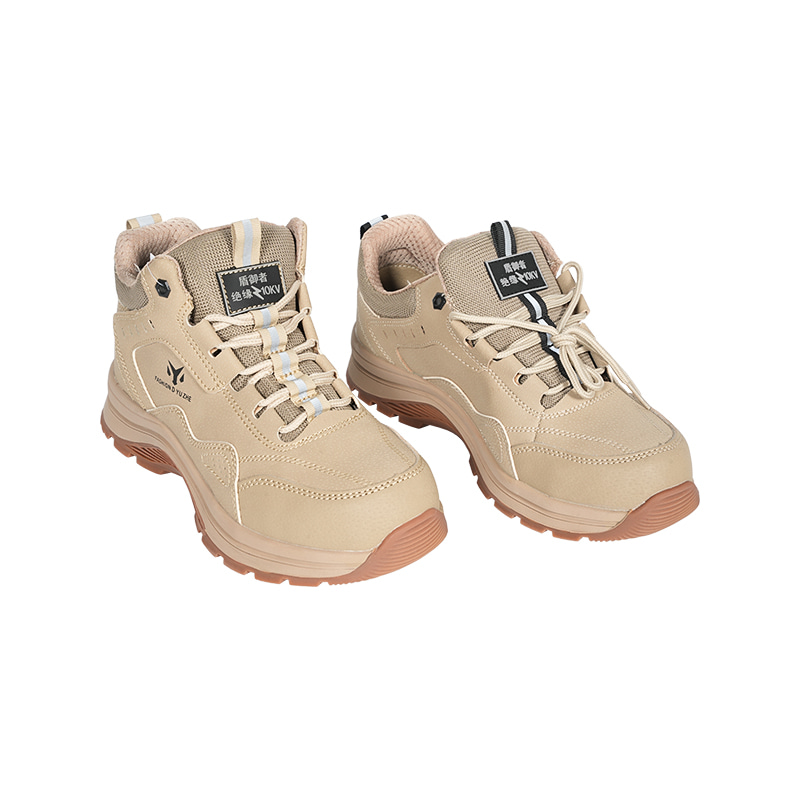 Electrical Hazard Resistant Insulated Safety Shoes for WorkFollowing the discussion on footwear safety, these insulated safety shoes offer dielectric protection and comfort for long shifts, making them essential for workers near live electrical equipment.View Product →
Your face and body are not part of the welding circuit, but they still need protection from arc flash, sparks, and molten metal. A welding mask with the correct shade protects your eyes and face. Choosing a model with an auto-darkening lens helps you avoid lifting the mask while the arc is still live, which is a common cause of face and neck burns. Flame-resistant clothing, aprons, and sleeves add another barrier between your skin and flying slag. These items do not stop voltage, but they prevent the kind of burn or reflex that could cause you to lose your grip and contact a live part. Our welding protective masks are lightweight and provide clear visibility.
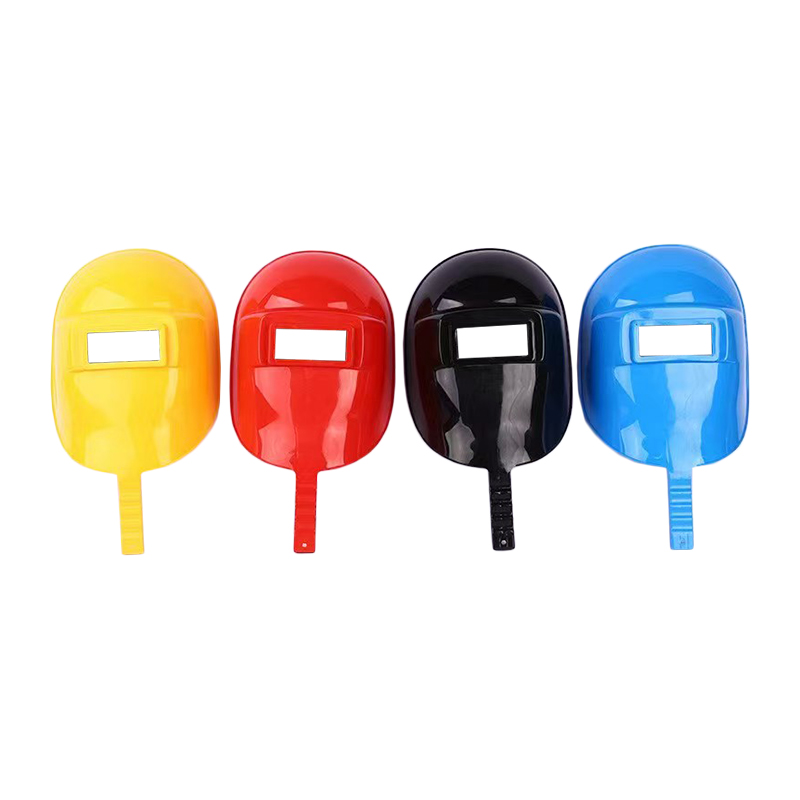 Auto-Darkening Welding Protective Mask for Face and NeckMentioned after facial protection advice, this lightweight mask with auto-darkening lens shields the entire face and neck from arc flash and sparks, improving visibility and safety during welding.View Product →
For a broader look at how to choose protective equipment for different high-risk tasks, see our guide to selecting PPE for high-risk industries.
Beyond equipment and PPE, your day-to-day habits make a big difference:
Even with all precautions, accidents can happen. If someone is shocked, act quickly but safely:
Post these steps near your work area and review them with your team regularly. If you have any questions about selecting the right protective equipment for your welding tasks, contact our team. We are always happy to help you make your shop safer.
Protecting yourself from electric shock when welding comes down to a few simple principles: treat every circuit as live, keep yourself dry, inspect your equipment, and wear gloves and boots that keep you insulated. Add a welding mask and flame-resistant clothing to manage the other hazards of the arc. When you combine these practices, you can weld with confidence and go home safely every day.
How do we select PPE gloves? The answer is not a one-size-fits-all decision. Every workplace has different hazards, tasks, and levels of exposure. At...
READ MOREOn a construction site, a factory floor, or a warehouse dock, the hard hat is the first piece of personal protective equipment a worker reaches for e...
READ MOREHow Can Protective Workwear Maintain Breathability in High-Temperature Environments? Workers in foundries, welding bays, chemical plants, and outdoor...
READ MOREYourYour email address will not be published. Required fields are marked *


We provide reliable and comfortable protective equipment, sold worldwide.
yuanang94@gmail.com
86-19710572790
Wuji County, Shijiazhuang City, Hebei Province, China
 Custom One-Stop PPE Safety Protection Manufacturers