

 English
  عربى
عربى 
Excellent Technical Team
We boast 15 years of labor protection manufacturing experience, with 400 workers and annual exports over $5 million, capable of stable mass order delivery.


Content
On a construction site, a factory floor, or a warehouse dock, the hard hat is the first piece of personal protective equipment a worker reaches for each morning. But how does a hard hat protect you, really? The answer lies in a combination of a rigid outer shell and an internal suspension system that absorbs, deflects, and spreads impact energy before it reaches your skull. This guide explains the design, the hazards it defends against, and the habits that keep your head protection effective.
At first glance, a hard hat looks like a simple plastic dome. In reality, it is an engineered system with two main parts: the outer shell and the suspension.
The shell is molded from high-density polyethylene or fiberglass-reinforced material that resists cracking under impact. Its curved shape deflects falling objects to the side, and its stiffness spreads the force of a blow across a wide area of the head. The shell also forms a barrier between your scalp and sharp edges, rain, sunlight, and incidental electrical contact.
Inside, the suspension system cradles the head with a headband, crown straps, and an adjustment mechanism. The straps attach to the shell at multiple points, creating a gap of about one to one-and-a-quarter inches between the top of the head and the shell. During an impact, the shell flexes downward while the straps stretch and absorb kinetic energy. The more the suspension deforms, the less force reaches the skull. This is why a loose or damaged suspension dramatically reduces the protection a hard hat can offer.
Hard hats are designed primarily to reduce the risk of head injury from impact, penetration, and electrical contact. The table below summarizes the main hazards and how a hard hat addresses each one.
| Hazard | How the Hard Hat Helps |
|---|---|
| Falling objects and debris | The shell deflects or stops tools, fasteners, and materials that drop from above. |
| Bumps against fixed objects | The suspension absorbs the energy of your head striking beams, pipes, and equipment. |
| Sharp or pointed objects | The rigid shell resists penetration and spreads the force over a larger area. |
| Electrical contact | Class E hard hats with non-conductive shells reduce the risk of exposure to energized conductors. |
| Sun, rain, and minor splashes | The shell shields the scalp from direct sunlight, precipitation, and small splashes of liquid. |
A hard hat is one layer of a complete personal protective equipment system. It works best when combined with appropriate eye, face, hearing, and respiratory protection for the task at hand.
Hard hats are classified by the direction of impact they absorb and by their electrical performance. Both factors matter when you are choosing head protection.
| Feature | Type I | Type II |
|---|---|---|
| Protected impact direction | Top (vertical) impacts | Top, side, front, and rear (lateral) impacts |
| Typical construction | Shell with a simple suspension cradle | Shell with added foam or energy-absorbing liner along the sides |
| Common applications | General construction, roofing, landscaping | Confined spaces, work around exposed structures, utility and industrial maintenance |
| Standards reference | ANSI/ISEA Z89.1 Type I | ANSI/ISEA Z89.1 Type II |
Many employers in oil and gas, utility, and construction have shifted toward Type II helmets because they offer all-around protection. If your job involves working near obstacles, swinging loads, or moving machinery at head height, a Type II helmet is often the better choice.
Electrical performance is grouped into three classes. Class E hard hats withstand exposure up to 20,000 volts. Class G hats are tested up to 2,200 volts, which covers most general industrial work. Class C hats provide no electrical protection and should not be used near live conductors.
For lighter duty environments where the main risk is bumping against low ceilings or overhead racks rather than heavy falling objects, an anti-collision hat is a practical alternative. It is lighter and more comfortable for prolonged wear while still cushioning the head from accidental contact with fixed structures.
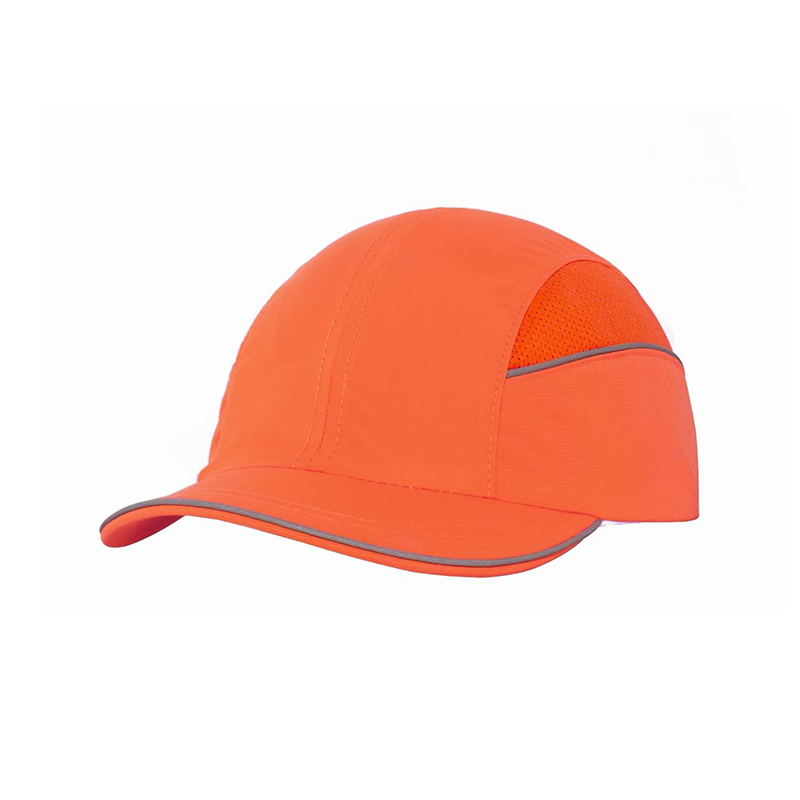 Lightweight Anti-Collision Hat with Hard Plastic InsertFor low-ceiling areas where bumping against fixed structures is the main risk, this cap-style hat offers a light, comfortable fit while still cushioning the head from minor impacts.View Product →
A hard hat only protects you when it is worn correctly. Keep these points in mind:
Many workers add accessories such as chin straps, visors, or earmuffs. Make sure they are compatible with the helmet and do not interfere with the suspension.
Even the best hard hat has a finite service life. Replace it if any of the following applies:
Clean the shell with mild soap and water, and inspect it in good light before every shift.
Selecting a hard hat begins with a hazard assessment. Consider the types of impact that may occur, the electrical risks present, the working temperature, and how the helmet fits with safety glasses, hearing protection, and respirators.
Cold weather brings an extra challenge. Workers often want to wear knit caps under their hard hats, but thick caps can disturb the fit and reduce suspension clearance. A purpose-built winter work hat provides insulation without compromising head protection, keeping the wearer warm and safe.
 Insulated Winter Work Hat for Cold-Weather SafetyDesigned to keep workers warm without interfering with hard hat fit, this moisture-wicking hat provides thermal insulation, helping maintain focus and safety in freezing outdoor conditions.View Product →
Once you know the type and class you need, look for a safety helmet that meets the relevant standards, fits a wide range of head sizes, and offers useful accessories such as visors and chin straps. The helmet should feel balanced and comfortable, because consistent wear is what makes protection effective in practice.
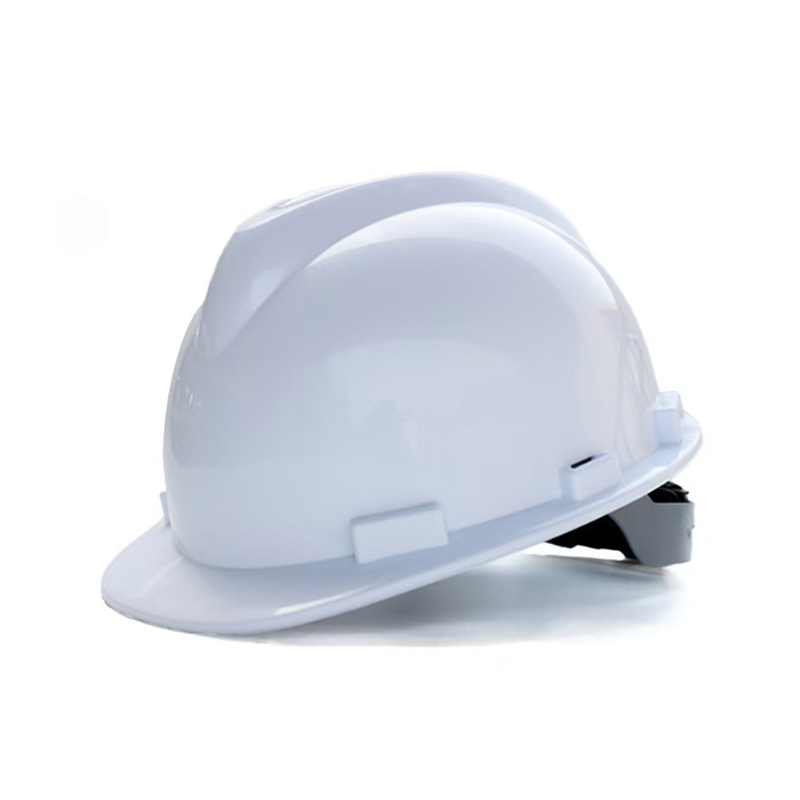 Durable Safety Helmet with Suspension System and Accessory SlotsA robust protective shell for falling-object hazards, featuring a suspension buffer and slots for mounting visors or chin straps, essential for consistent comfort and head protection on site.View Product →
Hard hats are one part of a complete safety program, and the hazards workers face vary widely across industries. Our guide on selecting PPE for different high-risk industries is a helpful starting point when you plan purchases for construction, manufacturing, oil and gas, or other demanding workplaces.
Understanding how a hard hat protects you changes how you inspect, wear, and care for it. The shell deflects, the suspension absorbs, and working together they give your head a second chance in a moment of danger. If you are responsible for the safety of a team, make sure the head protection you supply matches the risks your workers face.
At Yuanfan, we manufacture head protection and complete lines of personal protective equipment for demanding conditions around the world. Contact us to discuss your requirements with no obligation.
How Can Protective Workwear Maintain Breathability in High-Temperature Environments? Workers in foundries, welding bays, chemical plants, and outdoor...
READ MOREMost reputable protective workwear factories will send a free sample before you commit to a bulk order, provided you cover the shipping cost and give...
READ MOREAt our company, we have spent years manufacturing personal protective equipment for welders, and one question comes up again and again: how do you pr...
READ MOREYourYour email address will not be published. Required fields are marked *


We provide reliable and comfortable protective equipment, sold worldwide.
yuanang94@gmail.com
86-19710572790
Wuji County, Shijiazhuang City, Hebei Province, China
 Custom One-Stop PPE Safety Protection Manufacturers